Email : zhou@sinobiochemistry.com Phone : +86-13941198570


Views: 0 Author: Site Editor Publish Time: 2026-10-16 Origin: Site


CAS 111-76-2 | EC 203-905-0 | Molecular Formula C6H14O2 | Molecular Weight 118.17
2-Butoxyethanol, also known as ethylene glycol monobutyl ether or butyl cellosolve, is a clear, low-odour glycol ether solvent with excellent solvency and complete water miscibility. Thanks to its balanced hydrophilic and lipophilic character, it acts as an effective coupling and coalescing agent, widely used in paints and coatings, printing inks, industrial and household cleaners, metalworking and many other formulations — from manufacture to end use. With a moderate evaporation rate and strong film-forming performance, 2-Butoxyethanol delivers reliable, cost-effective results across a broad range of water-based and solvent-based systems.

2-Butoxyethanol is a butyl ether of ethylene glycol with the molecular formula C6H14O2. It is a high-boiling, low-volatility solvent that combines good solvency for many resins, oils and greases with complete miscibility in water and in common organic solvents. This unique dual solubility makes it a "coupling solvent": it bridges water-soluble and oil-soluble components in a single stable formulation, which is essential in modern water-based coatings, inks and cleaners.
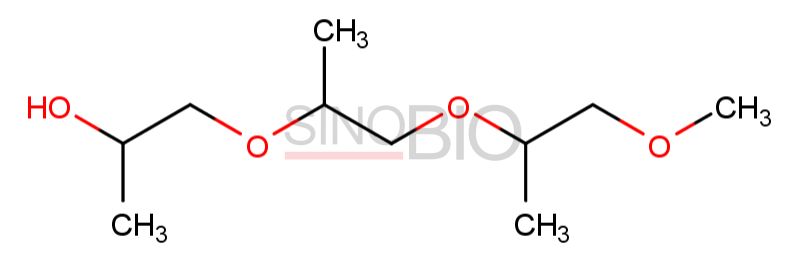
Table 1 Key physical and chemical properties of 2-Butoxyethanol
Property | Value |
Chemical name | 2-Butoxyethanol (Ethylene glycol monobutyl ether) |
CAS / EC number | 111-76-2 / 203-905-0 |
Molecular formula / weight | C6H14O2 / 118.17 |
Appearance | Clear, colourless liquid with a mild ether-like odour |
Boiling point | Approx. 171 °C |
Melting point | Approx. -70 °C |
Density | Approx. 0.90 g/mL at 25 °C |
Flash point | Approx. 60–67 °C (closed cup) |
Water solubility | Completely miscible (approx. 900 g/L at 20 °C) |
Vapour pressure | Approx. 0.8 hPa (0.76 mmHg) at 20–25 °C |
Viscosity | Approx. 6.4 mPa·s at 20 °C |
Vapour density | Approx. 4.1 (vs air) |
*Excellent coupling ability: bridges water and oil phases to deliver stable, homogeneous water-based formulations.
*Strong solvency: dissolves many resins, oils, greases and dirt, boosting cleaning and film-forming performance.
*Complete water miscibility: easy to formulate and dilute in aqueous systems.
*Moderate evaporation rate: improves levelling and flow while helping control film drying.
*Effective coalescing aid: lowers the minimum film-forming temperature (MFFT) of water-based coatings and inks.
*Wide compatibility: blends well with alcohols, glycols, esters and other common solvents.
2-Butoxyethanol works primarily through its amphiphilic structure. The molecule carries both a hydrophilic hydroxyl end and a hydrophobic butyl-ether chain, so it sits at the interface between water and organic materials. In coatings and inks this promotes even dispersion of pigments and resins, lowers the minimum film-forming temperature and improves levelling and adhesion. In cleaning formulations it penetrates and lifts oils, greases and soil, while in other systems it serves as a reactive intermediate or process solvent. Its balanced evaporation keeps performance consistent during drying and use.
*Paints and coatings: coupling and coalescing solvent in water-based architectural, industrial and automotive refinish coatings; solvent for nitrocellulose, lacquers, varnishes and enamels.
*Printing inks: solvent and humectant in flexographic, gravure and screen inks, controlling drying and print quality.
*Cleaning products: effective solvent in industrial degreasers, metal cleaners and household cleaners, removing oils and greases.
*Metalworking: component in cutting fluids and surface-treatment formulations.
*Textiles and leather: wetting and finishing aid, and solvent in processing baths.
*Other industrial uses: solvent, extractant and chemical intermediate in pharmaceutical and chemical synthesis.
2-Butoxyethanol is normally added during formulation at the level required by the end application — typically a few percent in coatings, inks and cleaners. The optimum dosage depends on the resin system, the solids content and the required film or cleaning performance, and should be confirmed by small-scale trials. Our technical team will be glad to recommend the right grade and usage level for your application.
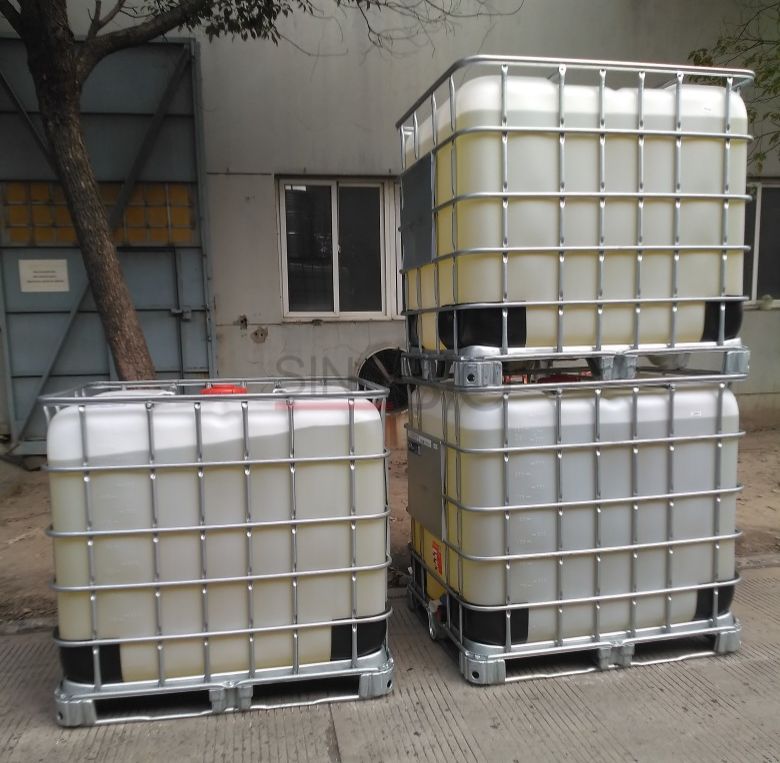
2-Butoxyethanol is flammable at slightly elevated temperatures (flash point approx. 60–67 °C). Depending on the transport regulation and the grade concerned, it may be classified as a combustible liquid or as a slightly toxic substance, and the applicable UN classification and packing group vary accordingly. Wear appropriate protective equipment during handling and avoid prolonged skin contact and inhalation of vapours. Full hazard, handling and transport information is provided in the Safety Data Sheet (SDS), which is available on request.
For samples, SDS and technical support, please contact our sales team. All data in this article are for reference only; the SDS and the certificate of analysis of the supplied batch shall prevail.
If you need bulk quotation, product samples, complete SDS & COA documents or professional formulation dosage suggestions for 2‑Butoxyethanol,feel free to get in touch with our sales team.We will provide targeted technical support to match your coating, ink or cleaning‑product production demands.


