Email : zhou@sinobiochemistry.com Phone : +86-13941198570


Views: 0 Author: Site Editor Publish Time: 2026-09-04 Origin: Site


CAS 4299-07-4 | EC 420-590-7 | Molecular Formula C11H13NOS | Molecular Weight 207.29

BBIT (Butyl Benzisothiazolinone) is a broad-spectrum industrial biocide and preservative of the isothiazolinone family, designed to protect water-based products and polymer materials against bacteria, moulds, yeasts and algae — from manufacture to end use.
With outstanding heat resistance, UV stability and extremely low water solubility, BBIT delivers long-term, cost-effective protection in paints and coatings, plastics, metalworking fluids, adhesives, textiles and many other applications. It is the active ingredient of well-known commercial brands such as Densil™ DN and Vanquish 100.
BBIT is a liquid isothiazolinone biocide with a unique combination of properties: it stays effective under high temperatures, resists leaching in wet and outdoor environments, and remains stable over a wide pH range. These characteristics make it an ideal choice for products that demand long protection periods and harsh service conditions, such as exterior coatings, polymer articles and industrial fluid systems.
Unlike conventional preservatives that protect only in the wet state, BBIT also provides durable dry-film protection: once incorporated into a coating or polymer matrix, it keeps working for years by resisting water extraction and UV degradation.

Property | Value |
Chemical name | 2-Butyl-1,2-benzisothiazolin-3(2H)-one (BBIT) |
CAS / EC number | 4299-07-4 / 420-590-7 |
Molecular formula / weight | C11H13NOS / 207.29 |
Appearance | Clear liquid, light yellow to amber |
Purity | ≥95% (GC); commercial grades 95%–98% |
Density | 1.16–1.18 g/mL at 20 °C |
Boiling point | Approx. 332.9 °C (atmospheric, predicted); 180 °C/0.8 mmHg (measured) |
Flash point | Approx. 155 °C |
Water solubility | Practically insoluble (≤1 mg/L at 20 °C) |
Thermal stability | Decomposition above 300 °C |
pH stability | Stable over a broad range (typically pH 2–12) |
*Broad-spectrum efficacy: one product controls bacteria, moulds, yeasts and algae.
*Heat-stable above 300 °C: can be added during polymer melting, extrusion and other high-temperature processing.
*Leach-resistant: extremely low water solubility keeps protection working outdoors and in dry films for years.
*UV-stable: effectiveness does not fade in sunlight.
*Low use levels: typically 0.005%–0.50% active ingredient keeps treatment cost per litre low.
*Easy to handle: liquid form, compatible with phosphorus-containing systems and common polymers (PVC, polyurethane, silicone, polyolefins, acrylics).
BBIT exerts its biocidal activity through the electrophilic sulfur atom of the isothiazolinone ring. After penetrating the microbial cell, BBIT reacts with the thiol (-SH) groups of cysteine residues in key enzymes, such as the respiratory chain enzymes, to form disulfide bonds. This leads to irreversible enzyme inhibition, which blocks respiration, energy metabolism and nutrient transport and ultimately causes the death of the microorganisms. The complete mechanism is illustrated in Figure 1.
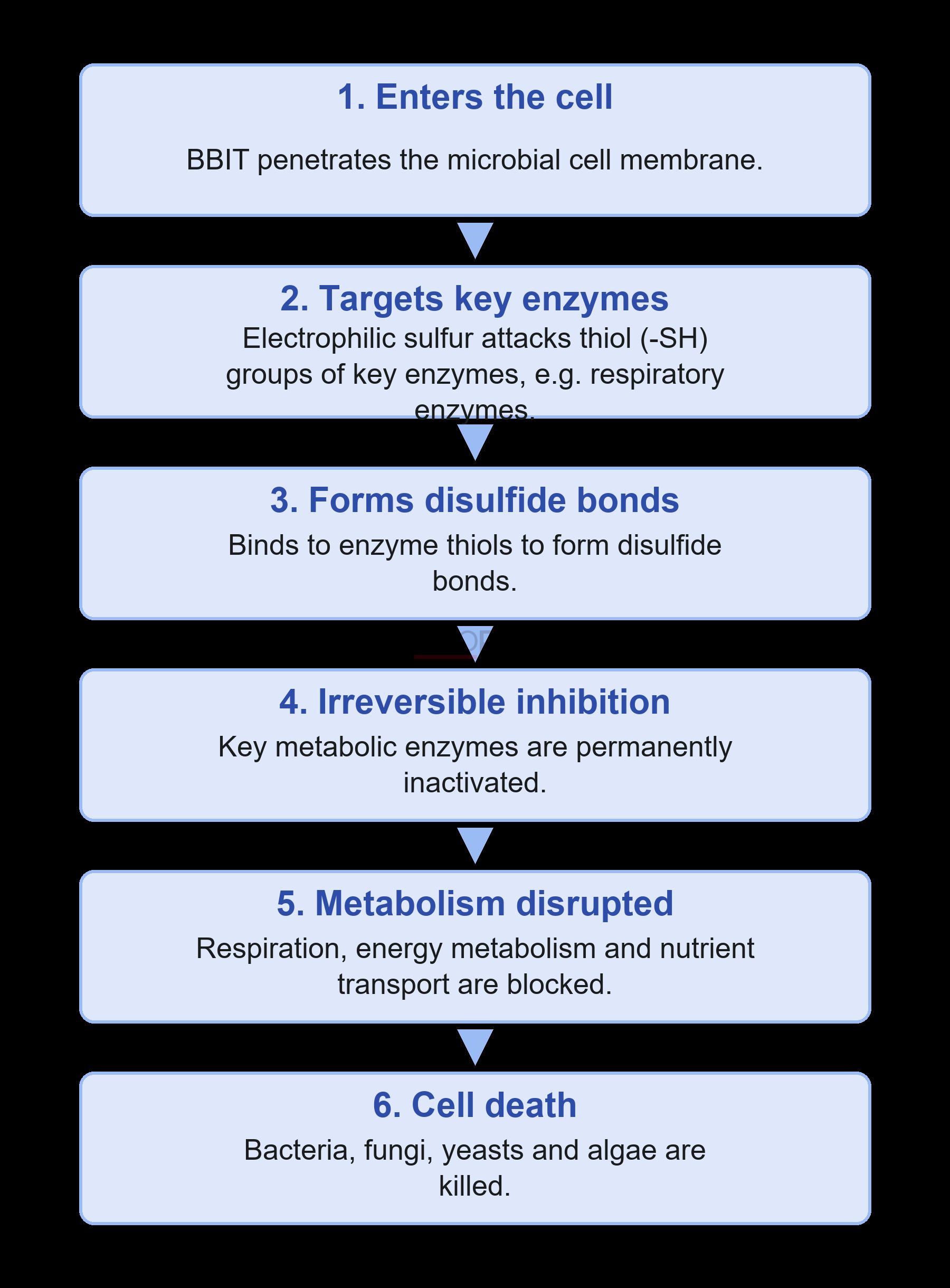
Figure 1 Mechanism of the biocidal action of BBIT.
*Paints and coatings: in-can preservation and dry-film anti-mould/anti-algae protection of emulsion paints and water-based industrial coatings.
*Plastics and polymers: long-term anti-microbial protection of PVC, polyurethane, silicone, polyolefin and acrylic products — shower curtains, wallpaper, flooring, pool liners, roofing membranes, wire and cable sheathing, automotive interiors and appliance liners.
*Metalworking fluids: keeps cutting fluids, emulsions and synthetic fluids clean and odour-free, extending fluid service life.
*Adhesives and sealants: in-can preservation of water-based adhesives and construction sealants.
*Textiles and leather: anti-mould treatment of coated fabrics, tarpaulins, tents, rainwear fabrics and leather goods.
*Wood and building materials: protection of timber and construction materials against mould and algae.
*Other water-based systems: microbial control in recirculating cooling water, paper mill systems, inks and pigment pastes.
BBIT is normally added during formulation at 0.005%–0.50% (50–5000 ppm) of active ingredient. The optimum dosage depends on the microbial load of the system, the required protection period and the raw-material quality, and should be confirmed by microbiological challenge testing. Our technical team will be glad to recommend the right grade and dosage for your application.
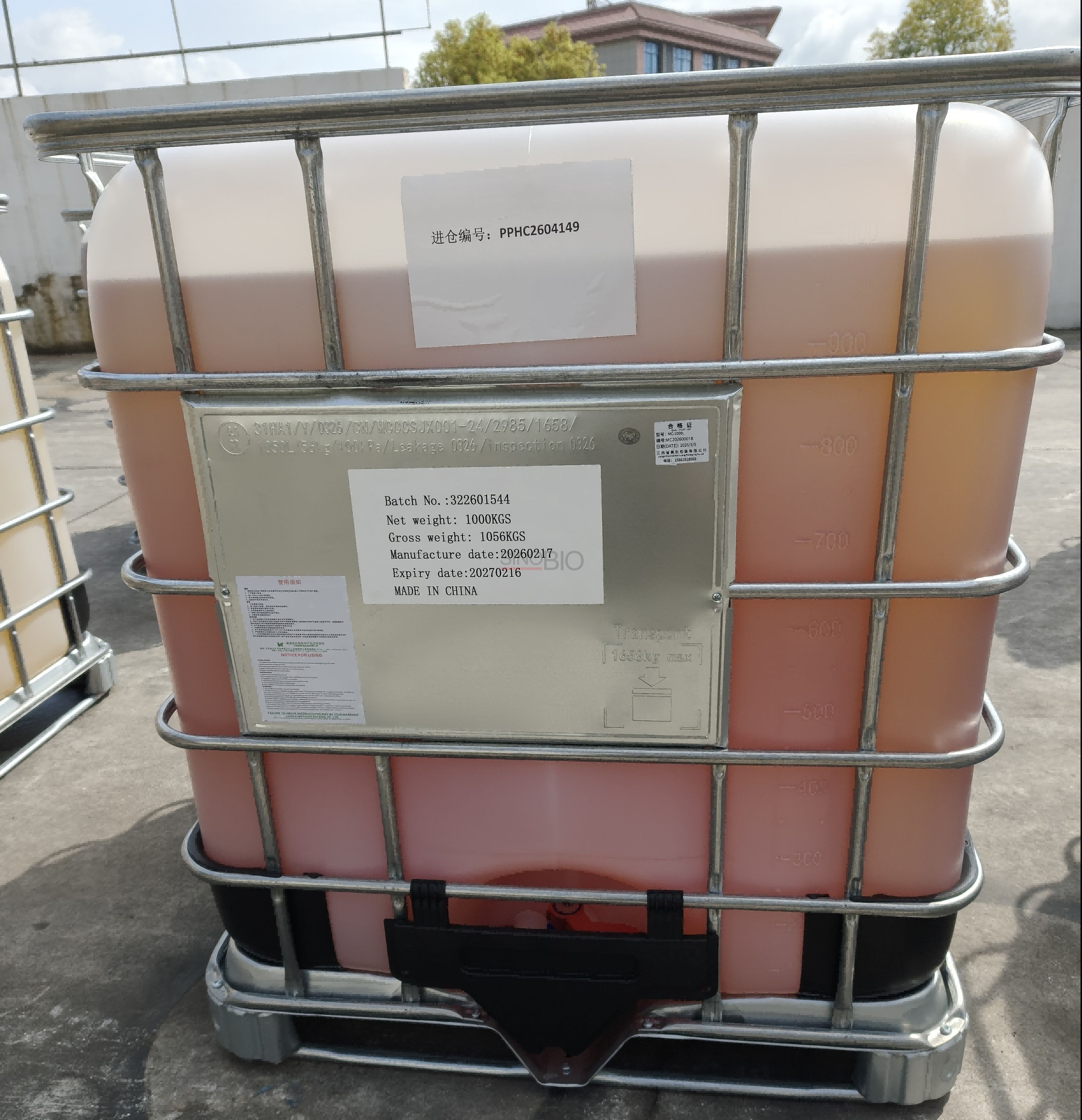
BBIT is classified as a Class 8 corrosive substance (UN 3265 / UN 1760, Packing Group II) and is listed as a marine pollutant. Wear appropriate protective equipment during handling and avoid skin and eye contact. Full hazard, handling and transport information is provided in the Safety Data Sheet (SDS), which is available on request.
For samples, SDS and technical support, please contact our sales team.All data in this article are for reference only; the SDS and the certificate of analysis of the supplied batch shall prevail.


