| Availability: | |
|---|---|
| Quantity: | |
Ammonium Molybdate Tetrahydrate
Sinobio
2841701000
Ammonium Molybdate Tetrahydrate (Ammonium molybdate tetrahydrate) is an important inorganic compound, the following is a detailed introduction about it:
Product name: Ammonium molybdate tetrahydrate
Alias: Ammonium molybdate tetrahydrate, Ammonium molybdate tetrahydrate heptamolybdate
Molecular Formula: (NH₄)₆Mo₇O₂₄-4H₂O
Molecular Weight: 1235.8575
CAS No.: 12054-85-2
EINECS No.: 234-320-9
Melting point: 190°C
MDL:MFCD00167059
Appearance: Colorless or light yellowish green monoclinic crystalline
Relative Density: 2.498
Solubility: Soluble in water, strong acids and alkali solutions, insoluble in ethanol
Thermal stability: Loss of 1 water of crystallization when heated to 90 ℃, decomposed into ammonia, water and molybdenum trioxide at 190 ℃
Weatherability: placed in the air is easy to weathering, loss of part of the ammonia
1. Catalyst: Used as a catalyst in the petroleum industry to promote reactions such as oil cracking.
2. Metallurgical industry: used for the production of molybdenum, is an important raw material for the extraction of molybdenum elements.
3. Chemical raw materials: is the manufacture of ceramic glaze, pigment and other molybdenum compounds raw materials.
4. Analytical reagent:
*Used as reagent for determination of phosphate, nickel, germanium, selenium dioxide, arsenate and lead.
*Used for color layer analysis, separation and identification of components in mixtures.
*In molybdenum blue method for the determination of soil and plant phosphorus content, as well as serum inorganic phosphorus, alkaline phosphatase activity.

Ammonium Molybdate Tetrahydrate (Ammonium molybdate tetrahydrate) is an important inorganic compound, the following is a detailed introduction about it:
Product name: Ammonium molybdate tetrahydrate
Alias: Ammonium molybdate tetrahydrate, Ammonium molybdate tetrahydrate heptamolybdate
Molecular Formula: (NH₄)₆Mo₇O₂₄-4H₂O
Molecular Weight: 1235.8575
CAS No.: 12054-85-2
EINECS No.: 234-320-9
Melting point: 190°C
MDL:MFCD00167059
Appearance: Colorless or light yellowish green monoclinic crystalline
Relative Density: 2.498
Solubility: Soluble in water, strong acids and alkali solutions, insoluble in ethanol
Thermal stability: Loss of 1 water of crystallization when heated to 90 ℃, decomposed into ammonia, water and molybdenum trioxide at 190 ℃
Weatherability: placed in the air is easy to weathering, loss of part of the ammonia
1. Catalyst: Used as a catalyst in the petroleum industry to promote reactions such as oil cracking.
2. Metallurgical industry: used for the production of molybdenum, is an important raw material for the extraction of molybdenum elements.
3. Chemical raw materials: is the manufacture of ceramic glaze, pigment and other molybdenum compounds raw materials.
4. Analytical reagent:
*Used as reagent for determination of phosphate, nickel, germanium, selenium dioxide, arsenate and lead.
*Used for color layer analysis, separation and identification of components in mixtures.
*In molybdenum blue method for the determination of soil and plant phosphorus content, as well as serum inorganic phosphorus, alkaline phosphatase activity.

Item | Specification |
|---|---|
Appearance | White Crystalline Powder |
Mo% | ≥54 |
(NH4)6Mo7O24*4H2O content% | ≥99 |
Application Industry | Industry |
Usage | Positive Catalyst |
Molecular Weight | 1235.8575 |
Melting Point | 190 Degrees Celsius |
Item | Specification |
|---|---|
Appearance | White Crystalline Powder |
Mo% | ≥54 |
(NH4)6Mo7O24*4H2O content% | ≥99 |
Application Industry | Industry |
Usage | Positive Catalyst |
Molecular Weight | 1235.8575 |
Melting Point | 190 Degrees Celsius |
Ammonium Molybdate Tetrahydrate (AMT) is a key intermediate in molybdenum chemical industry. Its largest applications are in petroleum catalysis and metallurgy, and it is also widely used in analysis, agriculture, electronics, surface treatment, ceramic pigments, etc.
Precursor for hydrodesulfurization (HDS) / hydrorefining catalysts
Impregnated on Al₂O₃ support together with Co or Ni salts to form Co-Mo/Al₂O₃, Ni-Mo/Al₂O₃ catalysts, used for desulfurization, denitrification, and demetallization of heavy oil to produce clean gasoline and diesel.
Other catalysis:
Raw material for molybdenum-based catalysts in methanol synthesis, coal chemical gasification, olefin disproportionation, and organic oxidation reactions.
Raw material for molybdenum metal and molybdenum alloys
Thermally decomposed to produce MoO₃, then reduced by hydrogen to molybdenum powder, molybdenum bars, molybdenum billets for molybdenum wires, molybdenum targets, and high-temperature alloys.
Additive for steel alloys:
Used to produce ferromolybdenum, added to stainless steel, tool steel, heat-resistant steel to improve strength, corrosion resistance, and high-temperature stability.
Powder metallurgy:
Used in molybdenum-based composites, cemented carbides, welding electrodes, thermocouple wires.
Classic molybdenum blue method: Determination of phosphorus, silicon, arsenic in water, soil, fertilizer, and steel.
Metal ion detection: Precipitant for Pb²⁺, Hg²⁺, Bi³⁺, and alkaloids.
Biochemical analysis: Used for serum inorganic phosphorus, alkaline phosphatase, glucose oxidase assays.
Chromatography & color reagent: Thin-layer chromatography, colorimetric analysis, quantitative detection of phosphorus and silicon in steel.
Trace element fertilizer: Molybdenum is a core component of nitrogenase and nitrate reductase in legumes.
Application methods: Seed dressing, seed soaking, foliar spray to improve yield and nitrogen fixation capacity of soybeans, peanuts, broad beans, alfalfa, etc.
Sputtering targets & semiconductor films:
High-purity AMT is used to produce MoO₃, MoS₂, molybdate thin films for electrodes in photovoltaics, LEDs, displays, and semiconductors.
Batteries & catalysis:
Used to prepare Mo-N co-doped TiO₂, MoO₂/MoS₂-based materials for lithium batteries and supercapacitors, as well as photocatalytic degradation catalysts.
Ceramics & glass: Molybdate phosphors, colorants for special glass, ceramic substrates.
Chromium-free passivation: Passivation solution for galvanized steel, aluminum, stainless steel, replacing chromate to form corrosion-resistant molybdate conversion coating.
Phosphating / blackening: Oxidizer for steel phosphating solution, black passivator for galvanized layers.
Corrosion inhibitor: Molybdenum-based corrosion inhibitors for circulating water and metalworking fluids.
Ceramic glazes & pigments: Molybdenum red, molybdenum yellow, molybdenum blue and other high-temperature pigments for ceramics, enamel, glass coloring.
Flame retardants: Halogen-free flame retardants for engineering plastics, rubber, coatings with good smoke suppression and thermal stability.
Other molybdenum compounds: Raw material for sodium molybdate, calcium molybdate, bismuth molybdate, praseodymium molybdate, etc.
Pharmaceutical & biochemical: Enzyme inhibitors, radioactive molybdenum sources, biological probes.
Environmental protection: Phosphorus removal from wastewater, heavy metal capture, additives for flue gas denitrification catalysts.
Electroplating: Molybdate electroplating, metal coloring, brush plating.
Ammonium Molybdate Tetrahydrate (AMT) is a key intermediate in molybdenum chemical industry. Its largest applications are in petroleum catalysis and metallurgy, and it is also widely used in analysis, agriculture, electronics, surface treatment, ceramic pigments, etc.
Precursor for hydrodesulfurization (HDS) / hydrorefining catalysts
Impregnated on Al₂O₃ support together with Co or Ni salts to form Co-Mo/Al₂O₃, Ni-Mo/Al₂O₃ catalysts, used for desulfurization, denitrification, and demetallization of heavy oil to produce clean gasoline and diesel.
Other catalysis:
Raw material for molybdenum-based catalysts in methanol synthesis, coal chemical gasification, olefin disproportionation, and organic oxidation reactions.
Raw material for molybdenum metal and molybdenum alloys
Thermally decomposed to produce MoO₃, then reduced by hydrogen to molybdenum powder, molybdenum bars, molybdenum billets for molybdenum wires, molybdenum targets, and high-temperature alloys.
Additive for steel alloys:
Used to produce ferromolybdenum, added to stainless steel, tool steel, heat-resistant steel to improve strength, corrosion resistance, and high-temperature stability.
Powder metallurgy:
Used in molybdenum-based composites, cemented carbides, welding electrodes, thermocouple wires.
Classic molybdenum blue method: Determination of phosphorus, silicon, arsenic in water, soil, fertilizer, and steel.
Metal ion detection: Precipitant for Pb²⁺, Hg²⁺, Bi³⁺, and alkaloids.
Biochemical analysis: Used for serum inorganic phosphorus, alkaline phosphatase, glucose oxidase assays.
Chromatography & color reagent: Thin-layer chromatography, colorimetric analysis, quantitative detection of phosphorus and silicon in steel.
Trace element fertilizer: Molybdenum is a core component of nitrogenase and nitrate reductase in legumes.
Application methods: Seed dressing, seed soaking, foliar spray to improve yield and nitrogen fixation capacity of soybeans, peanuts, broad beans, alfalfa, etc.
Sputtering targets & semiconductor films:
High-purity AMT is used to produce MoO₃, MoS₂, molybdate thin films for electrodes in photovoltaics, LEDs, displays, and semiconductors.
Batteries & catalysis:
Used to prepare Mo-N co-doped TiO₂, MoO₂/MoS₂-based materials for lithium batteries and supercapacitors, as well as photocatalytic degradation catalysts.
Ceramics & glass: Molybdate phosphors, colorants for special glass, ceramic substrates.
Chromium-free passivation: Passivation solution for galvanized steel, aluminum, stainless steel, replacing chromate to form corrosion-resistant molybdate conversion coating.
Phosphating / blackening: Oxidizer for steel phosphating solution, black passivator for galvanized layers.
Corrosion inhibitor: Molybdenum-based corrosion inhibitors for circulating water and metalworking fluids.
Ceramic glazes & pigments: Molybdenum red, molybdenum yellow, molybdenum blue and other high-temperature pigments for ceramics, enamel, glass coloring.
Flame retardants: Halogen-free flame retardants for engineering plastics, rubber, coatings with good smoke suppression and thermal stability.
Other molybdenum compounds: Raw material for sodium molybdate, calcium molybdate, bismuth molybdate, praseodymium molybdate, etc.
Pharmaceutical & biochemical: Enzyme inhibitors, radioactive molybdenum sources, biological probes.
Environmental protection: Phosphorus removal from wastewater, heavy metal capture, additives for flue gas denitrification catalysts.
Electroplating: Molybdate electroplating, metal coloring, brush plating.
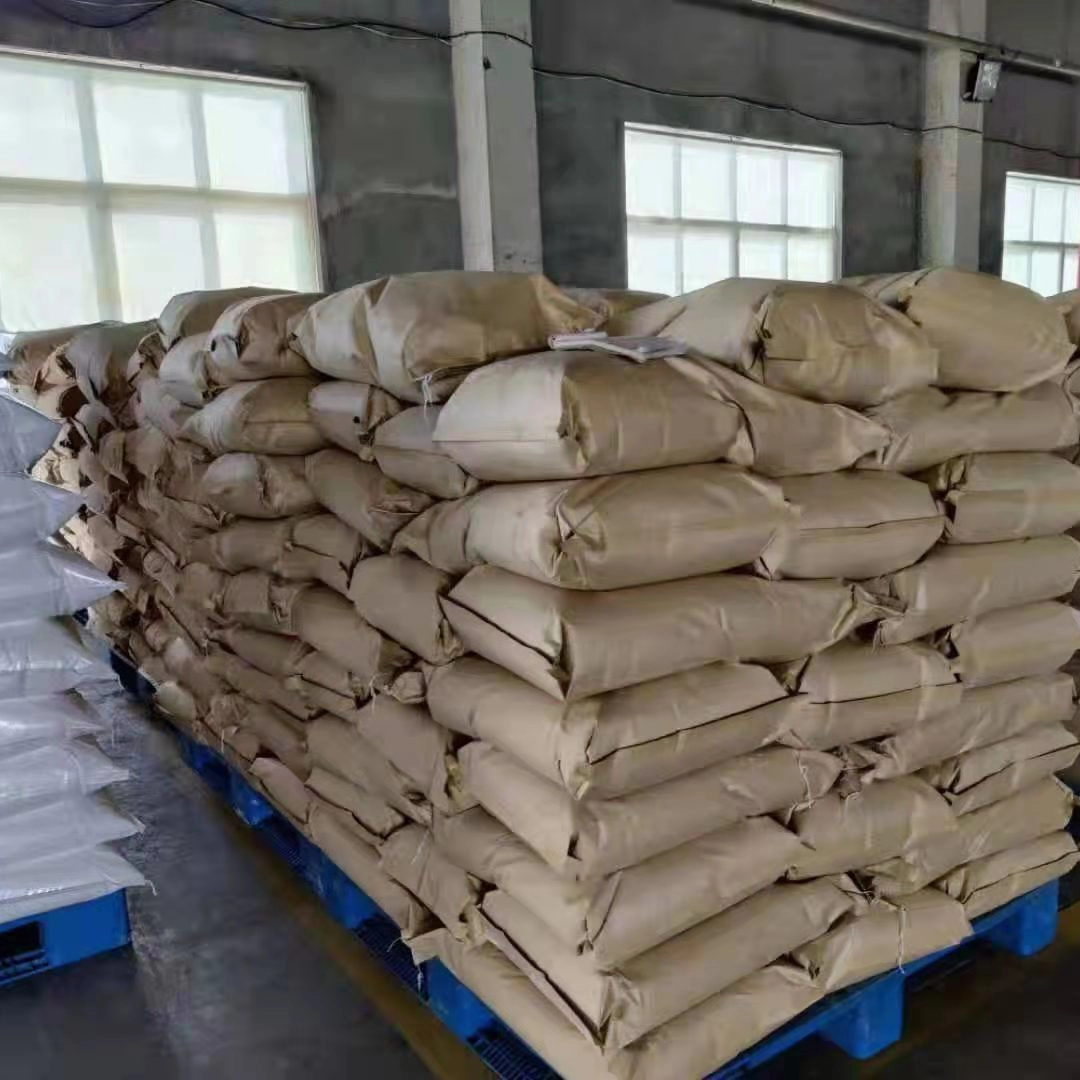
Package: 25kg/bag or 25kg/drum
Delivery time: 7-15 working days after receiving your deposit or according to clients requirement.
Package: 25kg/bag or 25kg/drum
Delivery time: 7-15 working days after receiving your deposit or according to clients requirement.