| Availability: | |
|---|---|
| Quantity: | |
DEG CAS111-46-6
SINOBIO
2909410000
Name: Diethylene glycol (DEG)
Chemical formula: C₄H₁₀O₃
Molecular weight: 106.12
CAS: 111-46-6
EINECS: 203-872-2
Alias: diethylene glycol, 2,2'-oxydiethanol, dihydroxydiethyl ether, etc.
Physical properties
Appearance: colorless, odorless, transparent, hygroscopic viscous liquid
Smell: spicy sweet
Melting point: -10.5℃ (some say -6.5℃ or -8℃)
Boiling point: 245℃
Relative density: 1.118g/mL (4℃)
Flash point: 143℃ (closed cup), some say 123.9℃ or 124℃
Solubility: miscible with water, ethanol, ethylene glycol, acetone, chloroform, furfural, etc., immiscible with ether, carbon tetrachloride, carbon disulfide, straight-chain aliphatic hydrocarbons, aromatic hydrocarbons, etc.
Diethylene Glycol (DEG) is a versatile, hygroscopic industrial chemical with the molecular formula C₄H₁₀O₃. Also known as 2,2'-oxydiethanol or dihydroxydiethyl ether, it is a colorless, odorless, transparent viscous liquid that is widely used across multiple industries due to its excellent solvency, hygroscopicity, and chemical stability.
Sinobio Diethylene Glycol is manufactured to meet strict quality standards, ensuring consistent purity and performance for industrial applications worldwide.
DEG has a wide range of applications across multiple industrial sectors, primarily including:
1. Solvent: Used as a solvent for nitrocellulose, resins, oils, printing inks, and other materials.
2. Gas dehydrating agent: Used as a dehydrating agent in processes such as natural gas dehydration.
3. Aromatic hydrocarbon extraction solvent: Used to extract aromatic hydrocarbons such as coumarone and indene from coal tar.
4. Textile treatment agent: Used as a softener and finishing agent for textiles to improve their performance.
5. Other applications: Also used as a brake fluid additive, cellulose softener, antifreeze, and diluent in emulsion polymerization. Additionally, it is applied in the production of rubber and resin plasticizers, polyester resins, fiberglass, urethane foams, and lubricant viscosity improvers.

| Item | Details |
|---|---|
| Common Name | Diethylene Glycol (DEG) |
| CAS Number | 111-46-6 |
| EINECS Number | 203-872-2 |
| Molecular Formula | C₄H₁₀O₃ |
| Molecular Weight | 106.12 g/mol |
| Appearance | Colorless, odorless, transparent, hygroscopic viscous liquid |
| Odor | Slightly spicy-sweet |
| Melting Point | -10.5 °C (range: -6.5 °C to -10.5 °C) |
| Boiling Point | 245 °C |
| Relative Density | 1.118 g/mL (at 4 °C) |
| Flash Point (Closed Cup) | 143 °C (range: 123.9 °C to 143 °C) |
| Solubility | Miscible with water, ethanol, ethylene glycol, acetone, chloroform, furfural, etc.Immiscible with ether, carbon tetrachloride, carbon disulfide, straight-chain aliphatic/aromatic hydrocarbons |
DEG's strong hygroscopic properties make it ideal for moisture control in products. It also acts as an effective solvent for a wide range of polar compounds, supporting uniform mixing and stability in formulations.
With a high boiling point (245 °C) and stable molecular structure, DEG performs reliably under varying temperature conditions, making it suitable for high-temperature industrial processes.
Its relatively high flash point ensures low volatility under normal use, reducing safety risks in manufacturing and storage environments.
Fully miscible with water, alcohols, ketones, and other polar solvents, DEG blends seamlessly with common industrial materials, offering formulation flexibility for different applications.
Diethylene Glycol is a foundational material in many industrial sectors, including:
A key intermediate in the production of unsaturated polyester resins, polyurethane foams, and alkyd resins.
Used in printing inks, dyes, textile processing aids, and cleaning agents due to its excellent solvency.
Added to automotive and industrial coolants to lower freezing points and improve heat transfer efficiency.
Employed in natural gas processing to remove water vapor, preventing pipeline corrosion and hydrate formation.
Used as a raw material for plasticizers, lubricants, and hydraulic fluids to enhance flexibility and stability.
Applied in dyeing, printing, and leather tanning processes as a humectant and processing aid.
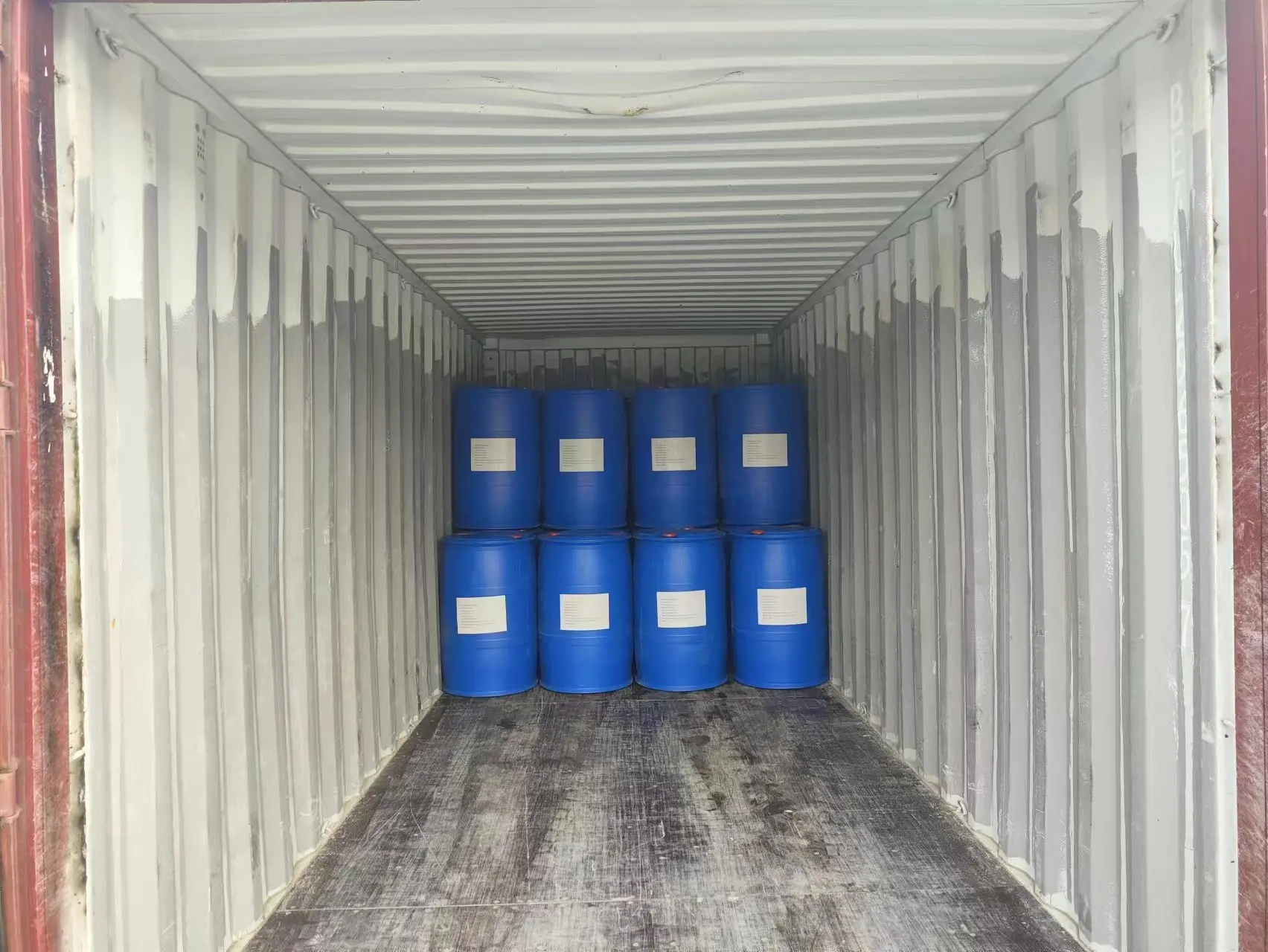
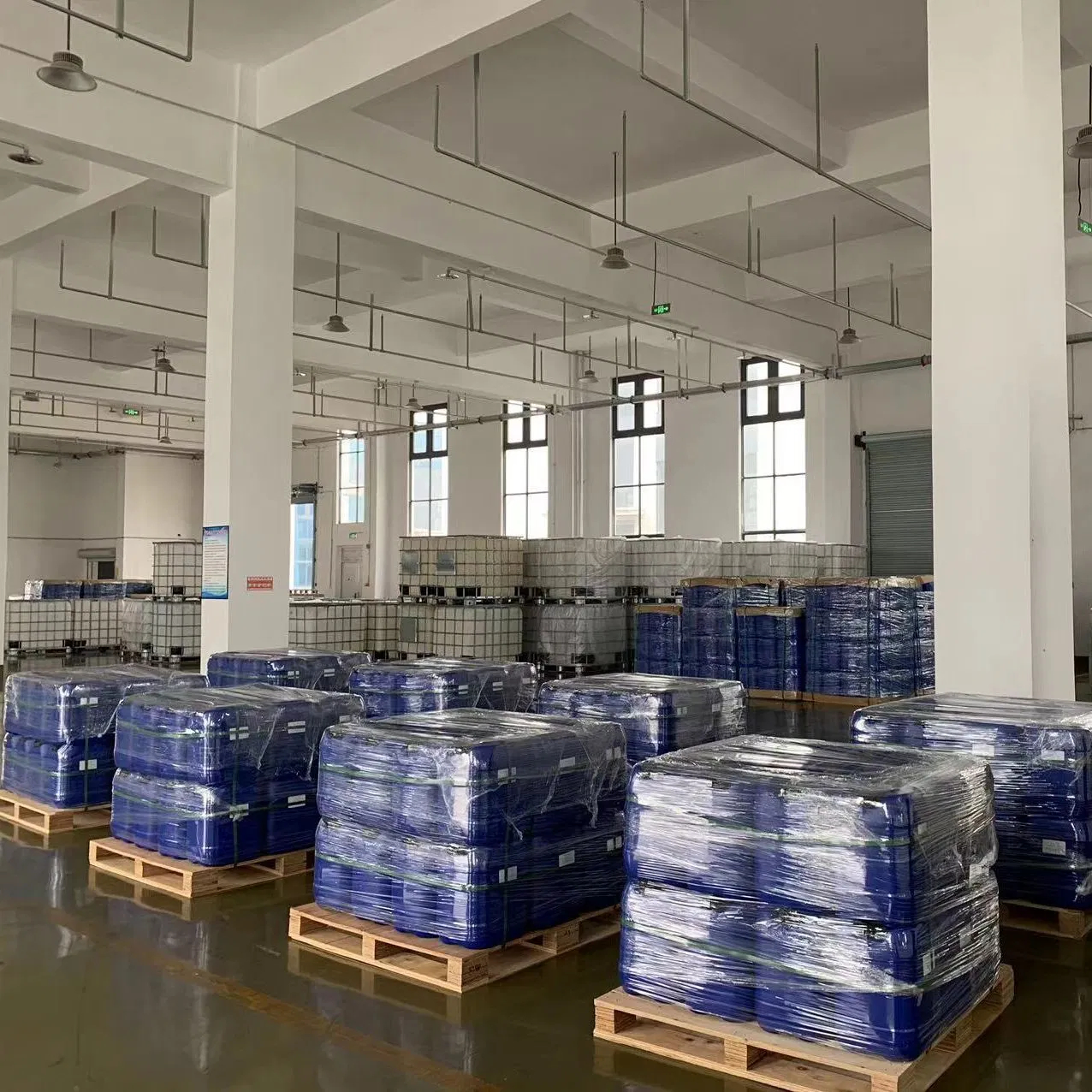
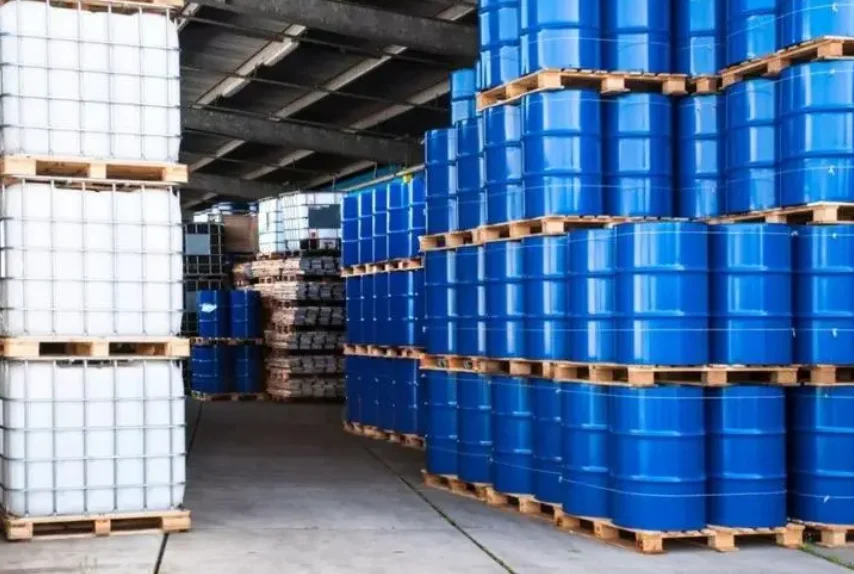
220kg/1000KG IBC drum, We provide customized package for different quantity.
We can make flexible package as clients‘ required. And always, we are providing in time vessel.