Email : zhou@sinobiochemistry.com Phone : +86-13941198570


Views: 0 Author: Site Editor Publish Time: 2025-12-12 Origin: Site


Cooling towers play a crucial role in industrial processes. However, microbial growth can lead to serious issues like biofouling and corrosion. In this article, we’ll explore the best biocide options for cooling towers and provide guidance on how to choose the right one.
Biocides are chemical substances designed to control harmful organisms. They play a vital role in various industries, particularly in cooling towers, where microbial growth can cause significant problems. There are two main types of biocides:
● Oxidizing Biocides: These work by releasing oxygen, which disrupts the cellular processes of microorganisms. Common examples include chlorine and bromine.
● Non-Oxidizing Biocides: These target specific metabolic pathways in bacteria and algae, effectively preventing their growth. Examples include DBNPA and isothiazolinones.
Type | Examples | Mechanism of Action |
Oxidizing | Chlorine, Bromine | Releases oxygen to kill microbes |
Non-Oxidizing | DBNPA, Isothiazolinones | Disrupts metabolic functions |
Biocides operate through various mechanisms to eliminate or inhibit microorganisms. For oxidizing biocides, the process often involves oxidative stress. This stress damages the cell membranes and metabolic functions of bacteria and algae, leading to cell death. Non-oxidizing biocides, on the other hand, penetrate microbial cells and interfere with essential processes, such as protein synthesis and energy production. This targeted approach makes them effective against resistant strains.
Key Mechanisms of Action:
● Cell Membrane Disruption: Oxidizing agents break down cell walls, causing leakage of vital cellular components.
● Inhibition of Enzymatic Activity: Non-oxidizing biocides block critical enzymes, halting microbial growth.
Choosing the right biocide for cooling towers is crucial for operational efficiency and safety. The effectiveness of a biocide can significantly impact system performance. An inappropriate choice may lead to ineffective microbial control, resulting in biofouling, increased maintenance costs, and potential system failures.
Factors to Consider:
● Microbial Target Coverage: Ensure the biocide can effectively combat the specific microorganisms present in your system.
● Compatibility: The chosen biocide should be compatible with existing treatments and materials to avoid any adverse reactions.
● Environmental Impact: Opt for biocides that break down into harmless byproducts, minimizing ecological risks.
In summary, understanding biocides and their mechanisms is essential for maintaining efficient and safe cooling tower operations. By selecting the appropriate biocide, facilities can enhance system reliability and reduce operational costs.
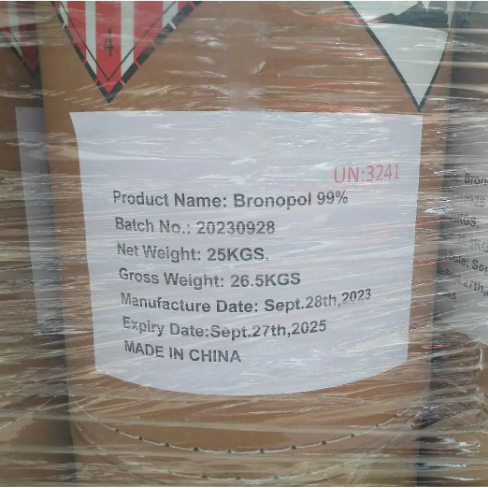
When selecting a biocide for cooling towers, understanding the types of microorganisms present is essential. Cooling towers often harbor various harmful organisms, including bacteria, algae, and fungi. Each of these can cause significant issues, such as biofouling and corrosion, which can impact the efficiency of the cooling system.
Common Microorganisms:
● Bacteria: Species like Legionella and Pseudomonas can proliferate in warm water, posing health risks.
● Algae: Algae growth can lead to blockages and reduce heat transfer efficiency.
● Fungi: Fungi can contribute to biofilm formation, creating a slippery surface that complicates maintenance.
Microorganism Type | Common Issues |
Bacteria | Health risks, biofouling |
Algae | Blockages, reduced efficiency |
Fungi | Biofilm formation, corrosion |
Compatibility is another critical factor when choosing a biocide. The selected biocide must work effectively with existing treatments and materials within the cooling system. For instance, some biocides may react adversely with chlorine or other chemicals, leading to reduced effectiveness or even equipment damage.
Key Considerations:
● Chemical Reactions: Ensure the biocide does not interact negatively with other chemicals.
● Material Compatibility: Check if the biocide can be safely used with the materials in your cooling tower, such as metals and plastics.
In today’s world, environmental concerns are paramount. The biodegradability of a biocide is crucial for ensuring it does not harm the ecosystem. A biocide that breaks down into harmless substances reduces the risk of environmental contamination, especially when water is discharged back into natural bodies.
Environmental Considerations:
● Biodegradability: Choose biocides that decompose quickly and safely.
● Regulatory Compliance: Ensure the biocide meets local regulations regarding chemical discharges.
Evaluating the costs associated with biocides is essential for long-term planning. While some biocides may have a lower upfront cost, they might not be the most cost-effective solution in the long run. Factors to consider include:
● Initial Purchase Price: What is the cost per unit or volume?
● Application Frequency: How often will you need to apply the biocide?
● Effectiveness: A more effective biocide may reduce the need for frequent applications.
Cost Factor | Considerations |
Initial Purchase Price | Compare prices of different products |
Application Frequency | How often will it need to be reapplied? |
Long-Term Savings | Evaluate overall cost-effectiveness |
Safety is paramount when using biocides in cooling towers. It’s vital to choose biocides that are safe for both personnel and equipment. Low-toxicity options minimize health risks during handling and application. Additionally, consider how the biocide affects equipment over time, as aggressive chemicals can lead to corrosion or other damage.
Safety Priorities:
● Personnel Safety: Select biocides with low toxicity to protect workers.
● Equipment Protection: Ensure the biocide does not corrode or damage system components.
By focusing on these key factors, facilities can select the most suitable biocide for their cooling towers, ensuring effective microbial control while maintaining safety and compliance.
Oxidizing biocides are widely used in cooling towers due to their effectiveness against a broad range of microorganisms. They work by releasing oxygen, which disrupts cellular processes, leading to the death of harmful organisms. Here are some popular oxidizing biocides:
Chlorine is one of the most common biocides used in cooling towers. It is effective against bacteria, algae, and viruses. Sodium hypochlorite, a liquid form of chlorine, is often used for its convenience.
● Effectiveness: Chlorine effectively controls microbial growth, especially in warm water.
● Advantages: It is cost-effective and readily available.
● Limitations: Chlorine's effectiveness decreases at higher pH levels, and it can be corrosive to system materials if not managed properly.
Characteristic | Chlorine | Sodium Hypochlorite |
Form | Gas | Liquid |
Application | Disinfection | Water treatment |
Cost | Low | Moderate |
pH Sensitivity | High | Moderate |
Bromine is another effective oxidizing biocide, especially in systems where chlorine may cause problems. It operates effectively over a wider pH range, making it a versatile choice.
● Benefits: Bromine is less volatile than chlorine, which means it remains effective longer in the water.
● Use Cases: It is often used in environments sensitive to chlorine, such as cooling towers in food processing facilities.
Chlorine dioxide is known for its powerful disinfecting properties. It remains effective across various pH levels, making it suitable for diverse water conditions.
● Overview: Chlorine dioxide is effective against biofilms and can penetrate them more easily than chlorine.
● Advantages: It does not produce harmful chlorinated byproducts, making it safer for the environment.
Non-oxidizing biocides are essential for targeting microorganisms that have developed resistance to oxidizing agents. They work through different mechanisms, making them valuable in comprehensive water treatment programs.
DBNPA is a fast-acting non-oxidizing biocide that effectively controls bacteria and algae in cooling towers.
● Mechanism: It disrupts cellular functions by blocking specific metabolic pathways.
● Advantages: DBNPA has a rapid action and is effective even at low concentrations.
● Application Scenarios: It is ideal for emergency situations where quick microbial control is needed.
Isothiazolinones, including CMIT and MIT, are known for their broad-spectrum efficacy against bacteria, fungi, and algae.
● Key Advantages:
○ Environmental Friendliness: They break down into non-toxic byproducts.
○ Operational Benefits: These biocides are compatible with most surfactants and can be mixed with other chemicals.
○ Additional Functions: They also exhibit excellent biosludge stripping effects, enhancing overall system performance.
Biocide Type | Target Organisms | Key Benefits |
DBNPA | Bacteria, Algae | Fast-acting, low dosage |
Isothiazolinones | Broad spectrum | Environmentally friendly |
Glutaraldehyde | Biofilms, Bacteria | Effective against tough organisms |
Glutaraldehyde is a well-known biocide often used in industrial applications.
● Use Cases: It is particularly effective against biofilms and can penetrate difficult-to-reach areas within the cooling system.
● Effectiveness: It works well at various pH levels and is effective even in high organic load conditions.
By understanding the different types of biocides, you can better select the most suitable option for your cooling tower needs. Each type offers unique advantages and applications, ensuring effective microbial control in various conditions.
When it comes to choosing a biocide for cooling towers, performance is key. Effectiveness against common microorganisms, such as bacteria, algae, and fungi, varies among biocides. Here’s a comparison of some leading options:
Biocide Type | Target Microorganisms | Effectiveness Rating (1-5) |
Chlorine | Bacteria, Algae | 5 |
Bromine | Bacteria, Algae | 4.5 |
DBNPA | Bacteria, Biofilms | 4.8 |
Isothiazolinones | Broad spectrum (Bacteria, Algae, Fungi) | 4.7 |
Glutaraldehyde | Bacteria, Biofilms | 4.6 |
Chlorine remains the most effective option due to its strong oxidizing properties, suitable for routine maintenance. Bromine is a close second, especially for systems sensitive to chlorine. DBNPA and isothiazolinones excel in emergency situations, effectively tackling biofilm issues.
Evaluating cost versus performance is crucial when selecting a biocide. While some biocides may have a lower purchase price, their effectiveness and application frequency can significantly impact overall costs.
● Chlorine: Generally low-cost, but may require more frequent applications, especially in high-demand systems.
● Bromine: Higher initial cost but offers longer-lasting effects, reducing the need for frequent dosing.
● DBNPA: Higher upfront cost, but its rapid action can save money during microbial outbreaks.
● Isothiazolinones: Moderate price with excellent long-term savings due to their effectiveness and low dosage requirements.
Biocide Type | Initial Cost | Application Frequency | Long-Term Cost Efficiency |
Chlorine | Low | High | Moderate |
Bromine | Moderate | Moderate | High |
DBNPA | High | Low | High |
Isothiazolinones | Moderate | Low | High |
Real-world applications and testimonials provide valuable insights into biocide effectiveness. Many facilities have reported success stories using specific biocides tailored to their needs. For instance, a manufacturing plant switched from chlorine to bromine due to concerns over corrosion and found a significant reduction in maintenance issues.
● Case Study 1: A food processing facility utilized DBNPA during a sudden algae bloom, achieving rapid control and restoring system efficiency within days.
● Case Study 2: A power plant employing isothiazolinones reported improved water quality and reduced biofouling, leading to lower operational costs.
Selecting the right biocide often depends on the specific scenario you’re facing. Here’s a breakdown of recommendations based on common situations:
● Routine Maintenance: Chlorine or bromine is ideal for regular use. They effectively prevent microbial growth and are cost-efficient for ongoing treatment.
● Emergency Microbial Contamination: In cases of sudden outbreaks, DBNPA is highly recommended due to its rapid action. Isothiazolinones can also be effective for emergency situations, especially when biofilms are present.
● Sensitive Systems: For systems where oxidative agents could cause damage, non-oxidizing biocides like isothiazolinones or glutaraldehyde are safer alternatives.
By analyzing performance, cost, user experiences, and specific scenarios, facilities can make informed decisions about the best biocide for their cooling towers.
Proper dosing is crucial for the effectiveness of biocides in cooling towers. Each biocide has specific dosage guidelines that ensure optimal performance without harming the system or the environment. For instance, isothiazolinones are typically dosed at 80-100 mg/L for effective microbial control. Here are some general dosage recommendations for common biocides:
Biocide Type | Recommended Dosage |
Chlorine | 1-3 mg/L |
Bromine | 2-4 mg/L |
DBNPA | 10-20 mg/L |
Isothiazolinones | 80-100 mg/L |
Glutaraldehyde | 50-150 mg/L |
When determining the right dosage, consider the specific conditions of your cooling tower, including water temperature, pH levels, and microbial load. Regular monitoring can help adjust dosages as needed.
The frequency of biocide application can significantly impact its effectiveness. For most systems, biocides should be applied regularly to maintain control over microbial populations. Here’s a general guideline for application frequency:
● Chlorine/Bromine: Apply every 1-2 weeks for routine maintenance.
● DBNPA: Use every 1-2 weeks during normal conditions, but increase frequency during outbreaks.
● Isothiazolinones: Typically used every 2-4 weeks, depending on microbial levels.
● Glutaraldehyde: Apply every 2-3 weeks, adjusting based on system performance.
To ensure safe and effective application of biocides, following best practices is essential. Here are some tips to keep in mind:
● Safety First: Always wear appropriate personal protective equipment (PPE) when handling biocides. This includes gloves, goggles, and masks to minimize exposure.
● Mixing Guidelines: Avoid mixing isothiazolinones with oxidative fungicides. This can lead to reduced effectiveness and potential chemical reactions that may harm the system.
● Monitor Water Quality: Regularly test water quality parameters, such as pH and turbidity, to optimize biocide performance. Adjust dosages based on these readings.
● Record Keeping: Maintain detailed records of biocide applications, including dosages, dates, and observed results. This data can help identify trends and improve future applications.
Best Practice | Description |
Safety Precautions | Use PPE during application |
Mixing Guidelines | Avoid incompatible mixtures |
Monitoring | Regularly check water quality |
Documentation | Keep records of applications |
By adhering to these guidelines, facilities can maximize the effectiveness of their chosen biocides while ensuring safety and compliance. Proper application not only enhances microbial control but also contributes to the overall efficiency of cooling tower operations.
If you notice that microbial growth continues despite biocide applications, it’s crucial to take immediate action. Here are steps to follow:
1. Increase Dosage: Sometimes, the initial dosage may not be sufficient to combat high microbial loads. Consider increasing the biocide concentration according to manufacturer guidelines.
2. Change Application Frequency: If the biocide is not controlling growth effectively, try applying it more frequently. This can help maintain lower microbial levels.
3. Conduct a System Inspection: Inspect the cooling tower for any areas where biofilm might be forming or where the biocide may not be reaching effectively. Pay special attention to dead zones where water circulation is minimal.
4. Test Water Quality: Regularly monitor water quality parameters, such as pH, turbidity, and temperature. Poor water quality can hinder biocide effectiveness.
Water quality plays a significant role in the efficacy of biocides. Factors like pH, temperature, and hardness can impact how well a biocide works. Here’s how to adjust treatments based on these factors:
● pH Levels: Most biocides have an optimal pH range for effectiveness. For example, chlorine works best between pH 6.5 and 7.5. If your water’s pH is too high or too low, consider adjusting it using appropriate chemicals.
● Temperature: Higher temperatures can increase microbial activity, requiring adjustments in dosage or frequency. Conversely, colder temperatures may slow down microbial growth but can also affect biocide efficacy.
Water Quality Factor | Recommended Action |
pH | Adjust to optimal range (6.5-7.5 for chlorine) |
Temperature | Increase dosage in warmer conditions |
Hardness | Monitor and adjust biocide choice if necessary |
Microorganisms can adapt to biocides, leading to resistance. This adaptation can significantly reduce the effectiveness of your treatment. To combat resistance, consider the following strategies:
● Rotate Biocides: Regularly alternating between different types of biocides can help prevent microbial adaptation. For example, switch from an oxidizing biocide like chlorine to a non-oxidizing biocide like DBNPA.
● Monitor Microbial Populations: Regular testing of microbial populations can help identify any shifts in resistance. This information is crucial for making informed decisions about treatment adjustments.
● Implement Integrated Pest Management (IPM): Combining biocides with other control methods, such as physical cleaning or filtration, can enhance overall efficacy and reduce reliance on chemical treatments.
Strategy | Description |
Rotate Biocides | Alternate between different biocide types |
Monitor Populations | Regularly test for microbial resistance |
Integrated Management | Use multiple control methods together |
By following these troubleshooting steps, you can effectively manage microbial growth in cooling towers. Adjusting treatment based on water quality and addressing resistance are key to maintaining a healthy and efficient system.

Before committing to large-scale use of any biocide, it’s essential to conduct thorough testing to ensure effectiveness and compatibility with your cooling tower system. For instance, DBNPA sample services allow users to evaluate the biocide's performance in their specific conditions. This preliminary testing can help identify optimal dosages, application methods, and potential interactions with existing treatments.
● Importance of Testing: Testing biocides in controlled environments helps prevent costly mistakes and ensures that the selected product meets the specific microbial challenges of your system.
● Sample Testing Process: Many suppliers offer sample services, allowing users to trial a biocide before full implementation. This can include monitoring microbial levels, assessing compatibility, and evaluating overall system performance.
Service Type | Description |
Sample Testing | Evaluate biocide effectiveness |
Compatibility Testing | Assess interaction with existing chemicals |
Performance Monitoring | Track microbial levels during trials |
Having access to technical support is crucial for users of biocides in cooling towers. Timely expert advice can make a significant difference in managing microbial control effectively. Many biocide suppliers offer dedicated support services, ensuring that users can get help when they need it.
● Availability of Expert Advice: Most companies provide access to technical representatives who can assist with questions about biocide selection, application techniques, and troubleshooting.
● Rapid Response Services: A commitment to quick responses is vital. On average, reputable suppliers should aim for a response time of 3.25 hours or less. This ensures that users can quickly address any issues that arise, minimizing downtime and maintaining system efficiency.
Support Feature | Details |
Expert Consultation | Access to knowledgeable representatives |
Response Time | Average response time ≤ 3.25 hours |
Troubleshooting Help | Assistance with common issues |
Ensuring a stable supply of biocides is essential for effective cooling tower management. Users should consider logistics and supply chain factors when selecting a biocide supplier.
● Production Capacity Guarantees: Reliable suppliers should be able to guarantee production capacity to meet demand, especially during peak usage periods. This assurance helps prevent shortages that could compromise system performance.
● Delivery Timelines: It’s important to understand delivery timelines and logistics capabilities. Suppliers should provide clear information about lead times for orders and availability of products.
Logistics Factor | Importance |
Production Capacity | Ensures availability during peak demand |
Delivery Timelines | Clear expectations for order fulfillment |
Supply Chain Reliability | Consistent access to necessary products |
By leveraging these support resources, users can enhance their experience with biocides in cooling towers, ensuring effective microbial control while maintaining system integrity.
In summary, choosing the right biocide for cooling towers is crucial for effective microbial control.
The best options include chlorine, bromine, DBNPA, isothiazolinones, and glutaraldehyde. Each offers unique benefits, such as effectiveness and safety.
We encourage you to assess your specific needs. Consulting with experts can help you make the best choice for your cooling tower system.


