Email : zhou@sinobiochemistry.com Phone : +86-13941198570


Views: 0 Author: Site Editor Publish Time: 2025-12-04 Origin: Site


Cooling towers play a crucial role in industrial processes, but they can harbor harmful microbes. Without proper treatment, these microorganisms can reduce efficiency and pose health risks. In this post, you’ll learn why cooling tower biocides are essential for maintaining safe and efficient cooling systems.
A cooling tower is a heat removal device used in various industrial processes. Its primary purpose is to dissipate heat from water used in cooling systems. By doing so, it helps maintain optimal temperatures for equipment and processes.
There are several types of cooling towers, including:
● Open Cooling Towers: These allow water to evaporate directly, cooling the remaining water through exposure to air.
● Closed Cooling Towers: In these, water circulates within a closed system, minimizing evaporation and water loss.
● Hybrid Cooling Towers: These combine features of both open and closed systems, providing flexibility in operation.
Type | Description | Advantages |
Open Cooling Tower | Evaporative cooling with direct air exposure | High efficiency, lower initial cost |
Closed Cooling Tower | Water circulates in a closed loop, reducing evaporation | Less water loss, better for water conservation |
Hybrid Cooling Tower | Mix of open and closed systems | Flexible operation, optimized performance |
The cooling process in a cooling tower involves transferring heat from water to the atmosphere. Warm water from industrial processes enters the tower and is distributed over fill material. As air flows through the tower, it evaporates a portion of the water, removing heat in the process.
Water circulation is vital for effective cooling. It ensures that the heat is continuously removed and that the system operates efficiently. The heat exchange between water and air is crucial, as it allows the cooling tower to function properly. Without adequate circulation, the system can overheat, leading to potential equipment failure.
Cooling towers are widely used across various industries. Here are some key sectors that rely on them:
● Power Generation: In power plants, cooling towers help dissipate heat generated during electricity production.
● HVAC Systems: Heating, ventilation, and air conditioning systems utilize cooling towers to maintain comfortable indoor temperatures.
● Manufacturing: Many manufacturing processes require cooling to maintain equipment efficiency and product quality.
The versatility of cooling towers makes them essential in these applications, ensuring that operations remain efficient and safe. They are critical in preventing overheating, which can lead to costly downtime or equipment damage.
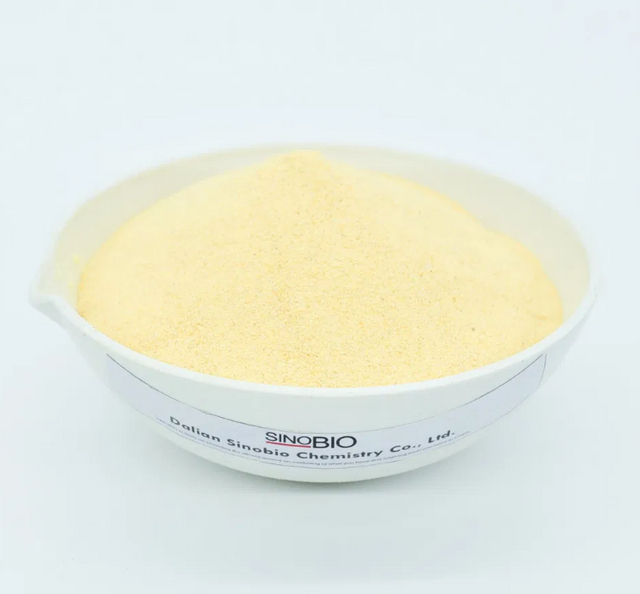
Biocides are chemical substances designed to control harmful organisms. They play a crucial role in maintaining the safety and efficiency of cooling tower water. There are two main types of biocides: oxidizing and non-oxidizing.
● Oxidizing Biocides: These kill microorganisms through oxidation, effectively destroying their cellular structure. Common examples include chlorine and bromine.
● Non-Oxidizing Biocides: These work by interfering with the biological processes of microbes. Examples include CMIT/MIT and glutaraldehyde, which target specific bacteria and fungi.
Type | Mechanism of Action | Examples |
Oxidizing Biocides | Destroys cell walls through oxidation | Chlorine, Bromine |
Non-Oxidizing Biocides | Disrupts metabolic processes of microbes | CMIT/MIT, Glutaraldehyde |
Cooling towers provide ideal conditions for microbial growth. The warm and moist environment encourages bacteria, algae, and fungi to thrive. Without effective control, these organisms can multiply rapidly, leading to serious problems.
● Ideal Conditions for Microbial Growth: Cooling water is often at temperatures that support microbial life. Additionally, nutrients from the environment can contribute to their proliferation.
● Potential Risks: Uncontrolled microbial growth can cause biofouling, which leads to reduced efficiency and increased energy costs. More importantly, certain pathogens, like Legionella, can pose severe health risks.
Pathogens such as Legionella can thrive in cooling towers, leading to serious illnesses like Legionnaires' disease. Biocides are essential for preventing these outbreaks. By effectively controlling microbial populations, we can ensure a safer environment for everyone.
Biofilm formation significantly impacts heat transfer efficiency. When microorganisms form biofilms on surfaces, they create insulating layers that hinder heat exchange. This results in increased energy consumption and operational costs. Biocides help prevent biofilm development, ensuring optimal performance of cooling systems.
Microbially induced corrosion (MIC) is a significant issue in cooling towers. Certain bacteria produce acidic by-products, which can corrode metal surfaces and damage equipment. By using biocides, we can mitigate the risk of MIC and extend the lifespan of cooling tower components.
Benefit | Description |
Prevents Biofouling | Stops microbial growth that can clog systems |
Reduces Corrosion Risk | Protects metal surfaces from acidic by-products |
Enhances Equipment Longevity | Extends the life of cooling tower infrastructure |
At Sinobio, customer satisfaction is a top priority. The company is committed to providing high-quality cooling tower biocides that meet strict standards. Feedback from customers highlights the effectiveness of their products and the reliability of their service. Many clients appreciate the consistent quality and professional support, reinforcing Sinobio's reputation as a trusted partner in water treatment solutions.
Oxidizing biocides are powerful agents that eliminate microorganisms through oxidation. They work by breaking down the cell walls of bacteria and other pathogens, effectively killing them. This process is essential in maintaining the hygiene and efficiency of cooling tower water.
Common oxidizing biocides used in cooling towers include:
● Chlorine: One of the most widely used biocides, chlorine is effective against a broad range of microorganisms. It is often dosed continuously to maintain residual levels in the water.
● Bromine: Similar to chlorine, bromine is effective in controlling microbial growth, especially in warmer water conditions. It is less volatile than chlorine, making it a preferred choice in some applications.
Oxidizing Biocide | Mechanism of Action | Common Uses |
Chlorine | Destroys cell walls through oxidation | Continuous disinfection |
Bromine | Similar to chlorine, effective in warm water | Cooling towers, spas |
Non-oxidizing biocides operate differently. Instead of oxidizing microbes, they disrupt their metabolic processes. This mechanism allows them to be effective against bacteria that may resist oxidizing agents.
Examples of non-oxidizing biocides include:
● CMIT/MIT: These biocides are known for their broad-spectrum efficacy. They effectively control a wide range of bacteria and fungi while being environmentally friendly.
● Glutaraldehyde: This biocide is particularly strong against slime-forming bacteria. It penetrates biofilms, making it effective in preventing and removing microbial growth.
Non-Oxidizing Biocide | Mechanism of Action | Key Advantages |
CMIT/MIT | Disrupts metabolic processes | Broad-spectrum, eco-friendly |
Glutaraldehyde | Penetrates biofilms, strong bactericide | Effective against slime-forming bacteria |
The specific advantages of Sinobio's biocides stand out in the marketplace. For instance, CMIT/MIT not only provides broad-spectrum efficacy but also degrades quickly in the environment, minimizing ecological impact. On the other hand, glutaraldehyde is highly effective against biofilms, ensuring that cooling systems remain clean and efficient.
Selecting the appropriate cooling tower biocide involves several important considerations. First, understanding the specific water chemistry is crucial. Factors such as pH, temperature, and the presence of organic materials can influence biocide effectiveness.
● Water Chemistry: Analyzing the water's chemical composition helps determine which biocide will work best. Certain biocides perform better under specific conditions.
● Microbial Contamination Levels: Knowing the types and levels of microbial contamination present in the cooling tower will guide the choice of biocide. Different biocides target different organisms, so selecting one based on the contamination profile is essential.
When choosing a biocide, it's important to consider both effectiveness and safety. Working with a knowledgeable supplier like Sinobio can ensure that the right product is selected for your cooling tower needs.
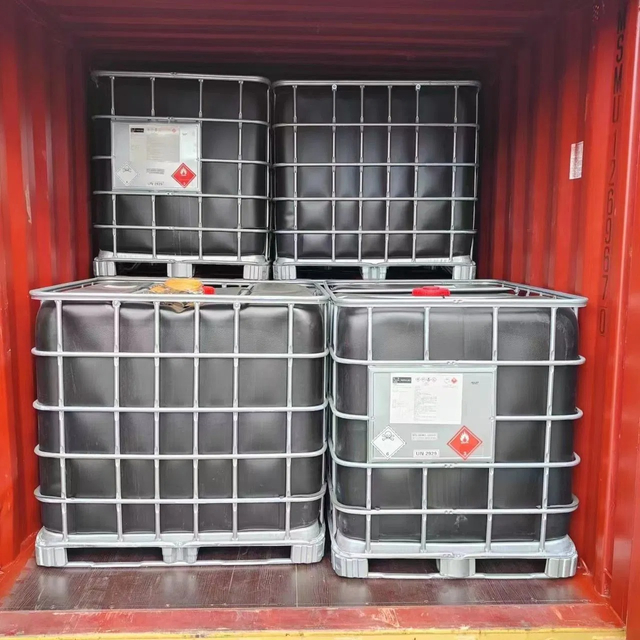
When it comes to applying cooling tower biocides, proper dosage is critical for effectiveness. Each type of biocide has its recommended dosage, which depends on various factors such as the specific product, the level of microbial contamination, and the characteristics of the cooling water.
For example, common dosages might include:
● Chlorine: Typically, 1-3 mg/L for continuous disinfection.
● CMIT/MIT: Suggested dosages range from 80-100 mg/L for routine treatment, up to 150-300 mg/L for more severe contamination.
Biocide Type | Recommended Dosage (mg/L) | Purpose |
Chlorine | 1-3 | Continuous disinfection |
CMIT/MIT | 80-100 | Regular treatment |
Glutaraldehyde | 50% solution, as needed | Strong control of biofilms |
Regular monitoring of biocide levels is essential. It ensures that the correct concentration is maintained, allowing for effective microbial control. Adjustments may be necessary based on changes in water quality or microbial load. Customizing the dosage based on the size of the cooling tower and specific water conditions can significantly enhance treatment effectiveness.
To achieve the best results, many facilities employ a strategy of combining different biocides. Alternating or blending oxidizing and non-oxidizing biocides can provide comprehensive microbial control.
This approach has several benefits:
● Enhanced Effectiveness: Using both types can target a broader range of microorganisms.
● Preventing Resistance: Rotating biocides helps prevent microbes from developing resistance to a single agent, ensuring long-term efficacy.
For instance, using chlorine as an oxidizing biocide in conjunction with CMIT/MIT can create a more robust defense against microbial growth. This method not only improves overall control but also minimizes the risk of biofilm formation, which can compromise system efficiency.
Adhering to health and safety regulations is crucial when using biocides in cooling towers. These regulations are designed to ensure that biocides are used safely and effectively, protecting both workers and the environment.
Proper handling and storage of biocides are vital. It’s important to follow guidelines for safe application and to ensure that biocides are stored in appropriate conditions to maintain their effectiveness.
Sinobio is committed to compliance with international health standards. Their products meet stringent regulatory requirements, ensuring that users can trust in their safety and effectiveness. By choosing compliant products, facilities can avoid potential legal issues and ensure a safer working environment.
Adding biocides to cooling tower water is crucial for controlling harmful microorganisms. Effective use of cooling tower biocides helps ensure public health and system efficiency. By maintaining proper dosages and following best practices, facilities can prevent biofouling and equipment damage. Ultimately, this leads to safer and more efficient cooling tower operations.
Signs include increased microbial growth, reduced cooling efficiency, and visible biofilm buildup.
Biocides should be applied regularly, typically every few weeks, depending on water quality and contamination levels.
When used properly, biocides minimize environmental impact. However, improper use can lead to harmful effects.
Costs vary based on biocide type, dosage, and frequency of application, but they are generally offset by increased efficiency.
Sinobio adheres to strict quality control measures and complies with international health standards to ensure product effectiveness.


