Email : zhou@sinobiochemistry.com Phone : +86-13941198570


Views: 0 Author: Site Editor Publish Time: 2025-12-08 Origin: Site


To ensure optimal performance of cooling water systems, it's important to use various chemicals as part of your cooling tower chemical water treatment program. These chemicals include:
Scale inhibitors, which prevent minerals from forming hard deposits in pipes.
Corrosion inhibitors, which protect metal components from rust and deterioration.
Biocides, which control the growth of bacteria and algae.
pH adjusters, which maintain the proper water balance.
Dispersants, which keep small particles from clumping together.
Antifoams, which reduce excess bubbles in the system.
Each of these chemicals plays a vital role in cooling tower chemical water treatment. They improve system efficiency and extend the lifespan of your equipment. When selecting chemicals, consider factors such as water quality, the specific needs of your cooling tower, your treatment strategy, system design, and compliance with chemical water treatment regulations.
Use scale inhibitors to stop hard minerals from building up. This helps keep pipes open and lowers repair costs.
Corrosion inhibitors guard metal parts from rust and harm. Pick the right kind for your system’s materials. This helps your system work better.
Biocides are needed to control bacteria and algae. Use them often to stop biofilms that block water flow.
Keep pH levels balanced in your cooling water. This stops scaling and corrosion. It helps your system work well.
Always test your water before picking treatment chemicals. Knowing your water helps you choose the best products for good treatment.
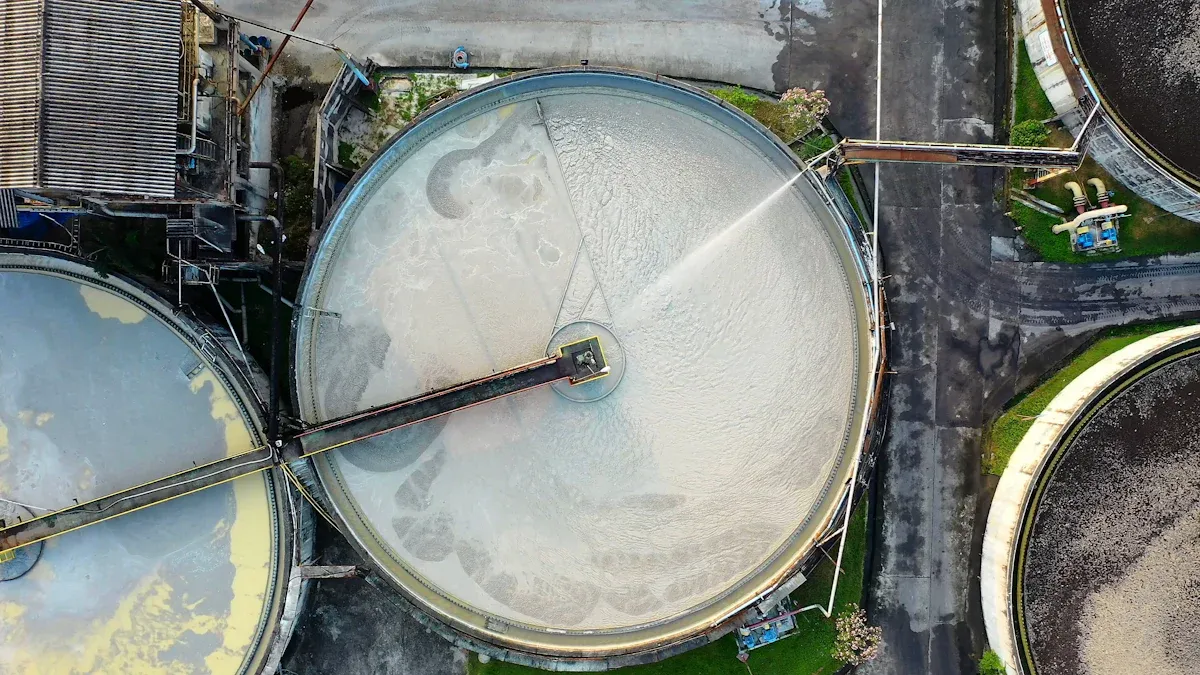
There are different kinds of scale inhibitors for cooling water treatment. Some are phosphorus-based, while others do not use phosphorus. Phosphorus-based products work in many systems. But if not handled right, they can hurt the environment. Non-phosphorus-based inhibitors are better for nature. Many new products mix several ingredients to protect fish and plants. Picking the right scale inhibitors stops hard minerals from building up in your cooling tower and pipes.
Tip: Make sure your water treatment chemicals follow local rules.
Scale inhibitors keep your cooling tower safe by stopping minerals like calcium and magnesium from sticking. These minerals can pile up and block pipes or break equipment. The inhibitors change how minerals act in water. They help keep minerals mixed in the water, so hard layers do not form. This helps your cooling water treatment system work well and means fewer repairs.
Old inhibitors with heavy metals can hurt fish and animals.
Many companies now use safer chemicals to lower these dangers.
Newer corrosion and scale inhibitors are kinder to the environment.
Use scale inhibitors if your water has lots of minerals or if you see early signs of scale. Using them often keeps your system working well and helps your equipment last longer. If you run an industrial water treatment system, you might need to use these products more. Always listen to your water treatment chemicals manufacturer for the best results from your chemical treatment solutions for waste water. The right scale inhibitors help you avoid expensive problems and keep your cooling tower water treatment chemicals doing their job.
Corrosion inhibitors help protect metal in your cooling water treatment system. These chemicals stop rust and slow down damage from water and air. Some common types are molybdate, phosphate, and nitrite. Bicarbonates also help by keeping the water balanced. This lowers the chance of corrosion. You can find these chemicals in many water treatment chemicals. They work well in cooling tower chemical water treatment programs.
Note: Corrosion can make leaks and break your equipment faster. Using the right inhibitors helps you avoid expensive repairs.
Some cooling towers have special metals like copper, brass, or aluminum. You need specialty metal corrosion inhibitors for these systems. These products protect metals that regular inhibitors cannot. For example, benzotriazole and tolyltriazole protect copper and its alloys. You can use these inhibitors with industrial water treatment chemicals to keep your system safe. Specialty products also help you follow chemical water treatment regulations.
Metal Type | Recommended Inhibitor |
|---|---|
Copper | Benzotriazole |
Brass | Tolyltriazole |
Aluminum | Silicate-based |
You must pick corrosion inhibitors based on your system and water quality. Test your water often to see which metals need protection. Ask your water treatment chemicals manufacturer for help. You should also check local rules before you buy chemical treatment solutions for waste water. The right inhibitors keep your cooling water treatment system working well. You get better performance and longer equipment life when you use the best cooling tower water treatment chemicals.
Tip: Always follow dosing instructions for safe and good results.
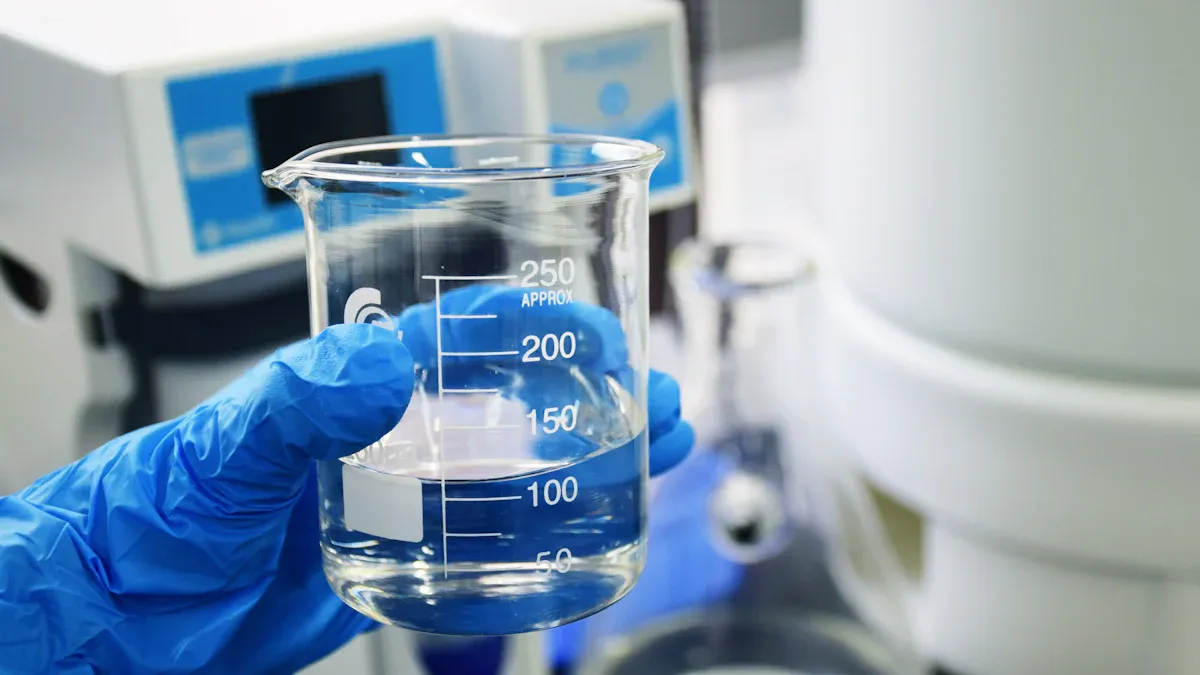
You need the right biocides to keep your cooling water treatment system safe. There are two main kinds: oxidizing and non-oxidizing biocides. Oxidizing biocides, like chlorine and bromine, kill bacteria and algae fast. Non-oxidizing biocides, such as isothiazolinones or glutaraldehyde, work differently. They stop microbes from growing by hurting their cell walls or blocking energy. Many cooling tower water treatment programs use both types for better results. Sometimes, algaecides and biocides are listed together because both help stop unwanted growth.
Biocide Type | Example Chemicals | Main Use |
|---|---|---|
Oxidizing | Chlorine, Bromine | Fast bacteria control |
Non-oxidizing | Isothiazolinones | Long-term protection |
Bacteria and algae can grow quickly in cooling water treatment systems. If you do not stop them, they make biofilms. These slimy layers stick to surfaces and block water flow. Biofilms also protect bad bacteria, making them hard to kill. You must use biocides to stop biofilms and keep your system clean. In the European Union, you need permission from both national and European groups before using biocidal products in cooling tower chemical water treatment. These rules help keep people and nature safe. The Biocidal Products Guideline says you must use biocides the right way to avoid harm.
Tip: Always follow local and national rules when picking and using biocides.
You should use biocides at the right dose and time. This keeps your cooling water treatment system safe and working well. Switch between different biocides so microbes do not get used to them. Always wear safety gear when using these chemicals. Health risks can include:
Legionella bacteria spreading in the air, which can cause Legionnaires’ disease.
Safety problems for workers and people nearby.
Check your system often for signs of biofilm or algae. If you see problems, change your chemical treatment solutions for waste water right away. Work with your water treatment chemicals manufacturer to choose the best products for your needs.
It is important to keep the pH level right. If the pH is not balanced, you can get scale and corrosion. When pH is too high or too low, minerals like calcium carbonate and silica can make hard deposits. These deposits block pipes and hurt equipment. Metal parts can also get damaged if pH is off.
Keeping pH in the right range helps your system work well and saves money on repairs.
Here are some ways pH affects scale in cooling water treatment:
pH control stops scaling from calcium carbonate and silica.
Silica scale forms more when pH is under 8.5.
Magnesium silicate scale shows up when pH is over 8.5.
High pH does not always stop silica scale. It can cause magnesium silicate or calcium carbonate to build up if you do not manage it well.
Check the pH often to make sure your cooling water treatment chemicals work right. This helps you avoid costly downtime and keeps your system running well.
You can use pH adjusters to keep your cooling water treatment system balanced. These products help you raise or lower the pH as needed. Common pH adjusters include acids like sulfuric acid to lower pH and alkaline products like sodium hydroxide to raise it. Some pH adjusters also help control water hardness, which reduces the risk of scale and corrosion.
pH Adjuster Type | Example Product | Main Function |
|---|---|---|
Acidic | Sulfuric Acid | Lowers pH |
Alkaline | Sodium Hydroxide | Raises pH |
Blended | Specialty Blends | Adjusts pH, controls hardness |
Always follow the instructions from your water treatment chemicals manufacturer. Test your water before adding any cooling water treatment chemicals. This helps you pick the right chemical treatment solutions for waste water and keeps your system safe.
Tip: Use a good test kit to check pH levels often.
If you keep your pH in the right range, you protect your equipment and help your cooling water treatment system work better.
Polymeric dispersants help keep your cooling tower water clean. These chemicals break up tiny particles in the water. They stop the particles from sticking together. When you use polymeric dispersants, you stop dirt and minerals from making clumps. This keeps your pipes and equipment clear. Polymeric dispersants work well with other water treatment chemicals. Many industrial water treatment chemicals have these dispersants. They help your cooling tower chemical water treatment program work better.
Tip: Ask your water treatment chemicals manufacturer which dispersant is best for your system.
Dispersants do more than keep particles apart. They also help remove slimy layers called biofilms. Biofilms can grow inside your cooling tower. When you get rid of these layers, other chemicals like biocides can work better. Biocides need to touch the microorganisms to kill them. Dispersants clear away the barriers so this can happen.
You should think about the environment when using dispersants. Here are some important things to remember:
Cooling towers need water treatment to stop scaling, corrosion, and biofouling. This often means using chemicals.
If you do not get rid of blowdown water the right way, it can hurt fish and plants. You should use safe ways to throw away this water.
Using biodegradable treatment chemicals or non-chemical methods can help protect nature.
When you use dispersants, your cooling tower water treatment chemicals work better. You also protect your equipment and help your system last longer. Always follow safe rules for throwing away chemical treatment solutions for waste water. This helps you follow chemical water treatment regulations and keeps people and the environment safe.
Foam can make trouble in your cooling tower. If foam builds up, it might spill over and hurt your equipment. You could lose water and your system may not cool as well. Antifoam agents help stop foam before it gets bad. These agents break bubbles and keep the water smooth. Using antifoam agents protects pumps, pipes, and heat exchangers in your cooling water treatment program.
Tip: Always use the right amount of antifoam agents. Too much can make new problems in your system.
Check your system often to look for foam. If you see bubbles or froth, act fast. Antifoam agents work best when used early. They help keep your system steady and protect your equipment.
You can use other specialty chemicals to make your cooling tower chemical water treatment better. Biodispersants help get rid of slime and organic stuff. These products break up biofilms so biocides can work better. Sometimes you need corrosion-resistant additives for special metals or plastics. Some systems use oxygen scavengers to stop rust.
Here are some specialty chemicals you might use:
Biodispersants: Get rid of biofilm and organic stuff.
Oxygen scavengers: Keep metal from rusting.
Specialty corrosion inhibitors: Protect special metals or alloys.
Specialty Chemical | Main Function |
|---|---|
Biodispersant | Removes biofilm |
Oxygen Scavenger | Prevents rust |
Metal-Specific Inhibitor | Protects special metals |
Ask your water treatment chemicals manufacturer to help you pick the right products. Specialty chemicals fix special problems and help your cooling tower water treatment chemicals work well. Always follow safety rules when using industrial water treatment chemicals or chemical treatment solutions for waste water.
You should test your water before picking chemicals. Water quality changes how your cooling water systems work. Look at these things:
Hardness from calcium and magnesium can make limescale. You need the right inhibitors to stop this from happening.
Alkalinity and pH levels show if water will scale or corrode. You must keep these balanced to protect your system.
Chlorides and sulfates can hurt metals in your cooling tower water treatment.
Silica is hard to control and can make tough scale.
The metals in your system matter. Some chemicals work better with certain materials.
Check these things often. Good water tests help you choose cooling water treatment chemicals that keep your equipment safe and your cooling water systems working well.
Cooling water systems can have different designs. Open systems need more protection from dirt and germs. Closed systems usually need less chemical treatment. Think about your system type before picking cooling tower chemical water treatment. The materials in your pipes and tanks are important too. Some metals need special inhibitors to stay safe. Ask your water treatment chemicals manufacturer for help. They can help you match cooling water treatment programs to your system’s needs.
Tip: Always check your system’s size and flow rate. This helps you use the right amount of cooling water treatment chemicals.
You must follow rules when using cooling tower chemical water treatment. Local and national laws tell you which chemicals you can use. Some places have strict limits on what goes in the water. You need to check discharge rules and environmental goals. Using the wrong chemicals can hurt nature or break the law. Work with experts to make sure your cooling water treatment programs follow all rules. Good planning keeps your cooling tower water treatment safe and legal.
Factor | Why It Matters |
|---|---|
Discharge Regulations | Protects environment and water sources |
Chemical Limits | Keeps system safe and compliant |
Environmental Goals | Supports sustainability |
You can keep your cooling water systems working well by picking the right cooling water treatment chemicals. Careful choices help you avoid problems and keep your equipment working longer.
You need to use different water treatment chemicals for cooling tower chemical water treatment. Each one, like scale inhibitors, corrosion inhibitors, biocides, pH adjusters, dispersants, and antifoams, helps protect your system and keeps it working well. Picking the right cooling tower water treatment chemicals can stop expensive repairs. For the best results, talk to a water treatment chemicals manufacturer. They will help you choose industrial water treatment chemicals and chemical treatment solutions for waste water that are right for you.
Tip: Always ask an expert before you change your treatment plan.
You need to use scale inhibitors, corrosion inhibitors, biocides, pH adjusters, dispersants, and antifoams. These water treatment chemicals help keep your system safe and working well.
Test your cooling tower water at least once every week. Testing often helps you find problems early. You can then change your cooling tower water treatment chemicals for better results.
Most cooling towers can use industrial water treatment chemicals. Always ask your water treatment chemicals manufacturer if the products are right for your system. Make sure they also follow local rules.
Follow local rules when you throw away chemical treatment solutions for waste water. Ask your water treatment chemicals manufacturer for safe ways to get rid of them. This helps protect the environment.


